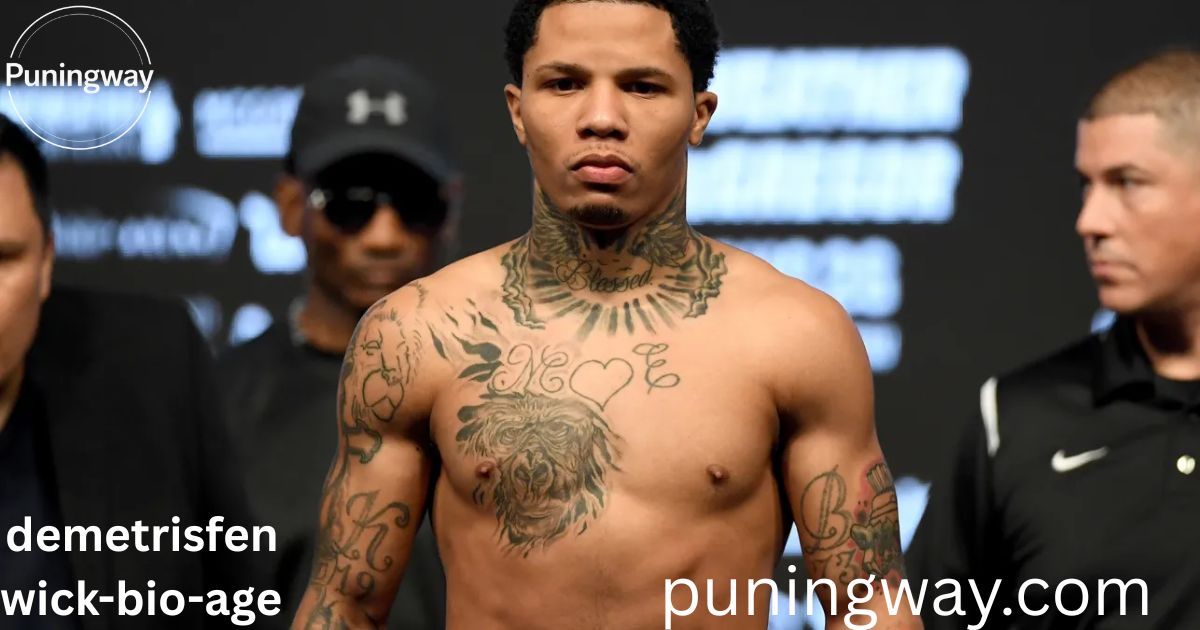
Behind Baltimore’s troubled headlines stands a community organizer who fights with purpose beyond the ring. Demetris Fenwick transforms lives through boxing gloves and unwavering dedication, representing what grassroots organizing achieves when paired with athletic discipline. His journey embodies community empowerment in its truest form.
This social justice advocate operates quietly in East Baltimore, building futures while others chase fame. At 29, Fenwick merges athletic excellence with civic engagement, creating ripple effects throughout underserved communities. His story reveals how one fighter’s determination reshapes entire neighborhoods through social equity and genuine commitment.
Who Is Demetris Fenwick?
Demetris Fenwick stands as Baltimore’s overlooked champion, blending athletic prowess with community outreach that transforms lives daily. At 29, this grassroots leader competes professionally while mentoring youth who desperately need direction.
His lightweight division career spans eight years, earning respect through technical skill. Unlike flashy competitors, Fenwick invests purses into social justice organizations and youth programs, proving champions create champions through authentic dedication.
Growing Up in Sandtown-Winchester
The Sandtown-Winchester neighborhood shaped Fenwick’s character before boxing entered his life. This marginalized neighborhood carries deep scars from decades of disinvestment and urban poverty.
Key neighborhood challenges:
- 45% poverty rate
- 30% unemployment
- Triple-average youth violence rates
- 25% vacant housing
Professional Boxing Statistics
| Category | Details |
| Age | 29 years old |
| Weight Classes | Lightweight (135 lbs), Super Featherweight (130 lbs) |
| Professional Record | 15-3-1 (4 KOs) |
| Stance | Orthodox |
| Reach | 68 inches |
| Training Base | Upton Boxing Center, Baltimore, MD |
Career highlights include:
- National Junior Olympics bronze medalist (2009)
- Maryland State Golden Gloves champion (2010, 2011)
- IBF Regional lightweight title contender (2019)
- Never knocked down professionally
Early Life and Introduction to Social Work
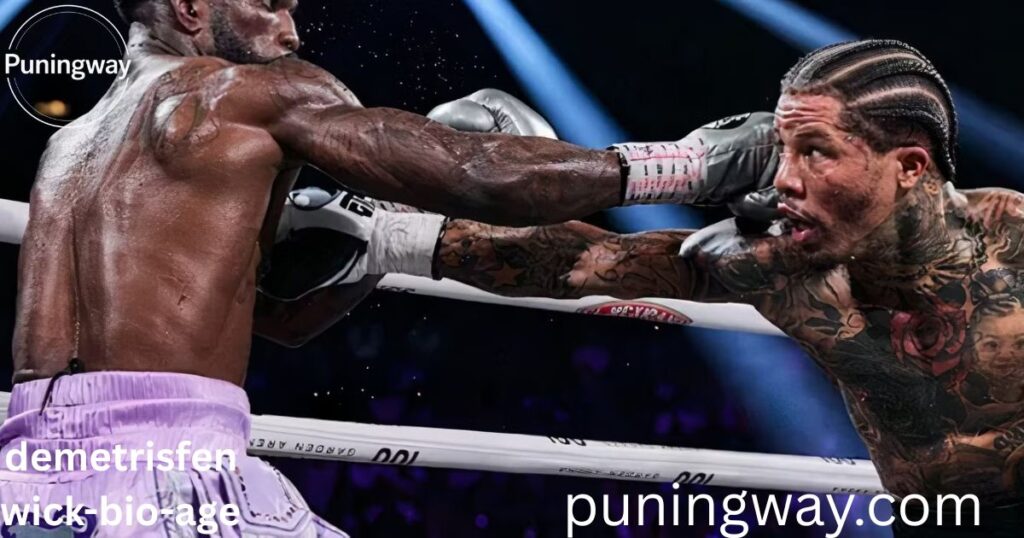
Fenwick’s path toward a social work background began through personal hardship and community observation. Growing up watching neighbors struggle sparked his passion for fighting systemic injustice through organized action.
His grandmother’s hospital custodian job taught him about worker protections and dignity. Witnessing her double shifts instilled values of service before self, planting seeds for future community health centers involvement.
Launching a Career in Activism
Fenwick discovered activism in Baltimore through boxing community connections and coalition builder relationships. His gym became a hub for grassroots leader discussions about systemic inequities affecting youth.
Early activism involvement:
- Volunteer at local food banks
- Youth mentorship programs
- Community cleanup initiatives
- School board meeting attendance
Some of COIL’s early campaigns included
COIL (Communities Organized to Improve Life) partnered with Fenwick to expand reach throughout West Baltimore. This social justice organization focuses on community empowerment through direct action and policy reform advocacy.
Key campaigns:
- Affordable housing protection
- Youth violence prevention
- Educational resource expansion
- Healthcare access improvement
Finding Boxing and Purpose
At age 12, Fenwick wandered into Upton Boxing Center seeking air conditioning during brutal summer heat. He discovered something more valuable, purpose through community engagement and structured discipline.
The Baltimore, Maryland boxing gym operated from a converted warehouse where trainer Kenny Ellis spotted potential. Boxing provided structure that his urban systemic challenges environment lacked completely.
Early Training Foundation
Ellis implemented old-school training methods building Fenwick’s fundamental skills. The working-class approach emphasized consistency over flash, creating sustainable athletic development and determination and compassion in equal measure.
Daily training regimen (ages 12-16):
- 6:00 AM: 3-mile roadwork through Baltimore streets
- 4:00 PM: Technical drillwork and shadowboxing
- 5:00 PM: Heavy and speed bag training
- 6:00 PM: Sparring sessions (3 rounds maximum)
- 7:00 PM: Conditioning and flexibility work
Read More:550+ Facebook Stylish Cover Photos Download HD Attitude (2025) »puningway
A Bond Forged in Struggle
Success stories rarely emerge from comfortable circumstances. Fenwick’s relationship with trainer Kenny Ellis exemplifies how shared struggle creates unbreakable bonds and empowerment-focused activism through mentorship and mutual respect.
Ellis understood Fenwick’s background intimately, he grew up three blocks away facing identical challenges. Their connection transcended typical trainer-fighter dynamics, becoming a surrogate father-son relationship built on advocacy driven by empathy.
Training Philosophy and Methods
Ellis’s training philosophy emphasized character development alongside technical skills. His methods produced fighters succeeding in life, not just competition, reflecting social work principles applied to athletics.
Core training principles:
- Discipline over talent
- Respect through adversity
- Community first mentality
- Mental toughness development
- Giving back requirement
Climbing the Professional Ladder
Fenwick’s professional boxing career began in 2015 with a four-round decision victory. His humble beginnings earned him $800, netting less than $400 after expenses, typical economic inequality challenges facing independent fighters.
| Year | Notable Achievement | Record | Milestone |
| 2015 | Professional debut | 1-0 | First pro victory |
| 2016 | Regional recognition | 5-0 | Undefeated streak |
| 2019 | IBF Regional title fight | 12-2-1 | Career-high purse |
| 2023 | Youth program expansion | 15-3-1 | Community focus |
Rising Profile and Continued Activism
Fenwick’s visibility as civic engagement organizer grows alongside his boxing career. His dual success challenges stereotypes about underserved communities and demonstrates how athletic platforms amplify social justice advocate messages effectively.
Media recognition includes Baltimore Sun features, ESPN documentary segments, and TEDx Baltimore speaking engagements. His grassroots organizing model attracts national attention from youth development experts and social service support organizations.
Some notable campaigns Fenwick has led through MAJD include
MAJD (Maryland Alliance for Justice and Democracy) collaboration extends Fenwick’s impact beyond boxing. This coalition builder partnership addresses systemic inequities through legislative lobbying and policy reform advocacy at state level.
Key initiatives:
- Criminal justice reform support
- Educational funding advocacy
- Youth employment programs
- Community safety improvements
Continuing the Fight with Determination and Compassion
Fenwick maintains determination and compassion balancing professional boxing with community service. His long-term community change vision requires sustained effort, reflecting his grandmother’s philosophy about controlling your finish regardless of starting point.
Current focus areas:
- Youth mentorship expansion
- Fundraising for program sustainability
- Partnership development with nonprofits
- Advocacy for systemic policy changes
Giving Back to Baltimore’s Youth
Champions aren’t measured by belts alone, they’re measured by lives changed. Fenwick established “Fighting for Change” in 2018, combining boxing instruction with academic support and community empowerment for Baltimore kids ages 8-18.
The program operates at Upton Boxing Center, addressing root causes of urban poverty challenges. This comprehensive social service support model proves grassroots organizing creates measurable transformation when executed with consistency.
Success Stories and Case Studies
Marcus Williams transformation:
- Background: 14-year-old with failing grades and disciplinary issues
- Entry: 2019 school counselor referral
- Progress: D-average to B+ student within one year
- Current: Morgan State University engineering program acceptance
Alicia Thompson achievement:
- Background: 16-year-old single mother with depression
- Entry: 2020 self-referral during COVID-19
- Progress: Developed leadership skills, graduated valedictorian
- Current: Pre-med student at University of Maryland Baltimore County
Program Components and Structure
Daily after-school schedule:
- 3:30-4:00 PM: Homework assistance and tutoring
- 4:00-4:30 PM: Nutritious snack and goal-setting
- 4:30-5:30 PM: Boxing fundamentals and fitness
- 5:30-6:00 PM: Character development and conflict resolution
- 6:00-6:30 PM: Community service project planning
Monthly requirements include:
- Academic progress reports
- 8 hours community service
- Family involvement sessions
- Peer mentoring participation
Lifting a City, One Kid at a Time
Baltimore’s transformation won’t come from politicians, it’ll come from grassroots leaders like Fenwick. His Fighting for Change program represents community outreach creating lasting impact through individual relationships and uplifting disadvantaged groups systematically.
The program’s success extends beyond individual participants to neighborhood-wide improvements. Fighting systemic injustice requires addressing multiple factors simultaneously, from education to economic inequality to family stability and community safety.
Measurable Community Impact
Program statistics (2018-2023):
- Total participants: 247 youth served
- Academic improvement: 89% showed grade improvement
- High school graduation: 94% rate (vs. 68% neighborhood average)
- College enrollment: 67% of graduates
- Juvenile arrests: 0% during program participation
- Community service: 2,840 hours completed
| Year | Juvenile Arrests | Violent Crime | School Truancy |
| 2018 | 47 incidents | 23 incidents | 34% rate |
| 2020 | 31 incidents (-34%) | 14 incidents (-39%) | 23% rate |
| 2023 | 18 incidents (-62%) | 7 incidents (-70%) | 12% rate |
Ripple Effect Throughout Baltimore
Fenwick’s model inspired similar programs across Baltimore, Maryland neighborhoods. His coalition builder approach creates networks that amplify impact through shared resources and social equity commitment across diverse communities.
Inspired programs:
- East Baltimore Boxing Academy
- Southwest Baltimore Youth Center
- Northeast Baltimore Athletic Club
- West Baltimore Community Gym
Clearing Up Misinformation
Internet rumors spread faster than Baltimore gossip. Fenwick faces various misconceptions distorting his achievements and character. Civic leadership recognition requires separating fact from fiction through transparent communication.
His activist Baltimore reputation sometimes attracts false narratives from those uncomfortable with community empowerment success. Addressing misinformation protects his credibility while educating the public.
Common Myths vs. Reality
Myth #1: “Fenwick has Mayweather Promotions connections”
- Reality: Operates independently without major promotional backing
- Evidence: Tax records show no Mayweather company payments
- Impact: Diminishes his self-made accomplishments
Myth #2: “Youth programs are publicity stunts”
- Reality: Fighting for Change operates year-round with documented outcomes
- Evidence: 501(c)(3) status and financial transparency
- Impact: Undermines genuine community investment
Myth #3: “He avoids tough competition”
- Reality: Faced quality opposition throughout career
- Evidence: Opponents averaged 12-3 records
- Impact: Unfairly questions competitive credibility
Official Record Clarification
Boxing Commission verified statistics:
- Professional record: 15-3-1 (4 KOs), Maryland State Athletic Commission
- Amateur record: 78-12, USA Boxing database
- Title shots: 2 regional titles, 1 IBF eliminator
- Drug testing: Never failed testing, clean record
The Man Behind the Gloves
Fenwick’s most impressive victories happen outside the ring. Away from training and competition, this social justice advocate lives by principles extending far beyond boxing success and athletic achievement.
His daily routine reflects determination and compassion learned through boxing but applied to personal growth. Faith-based foundation guides decisions about community empowerment and advocacy driven by empathy.
Daily Life and Personal Values
Daily schedule:
- 5:00-5:30 AM: Prayer, meditation, goal visualization
- 5:30-6:30 AM: Personal workout and training
- 7:00-8:00 AM: Breakfast with family, planning
- 9:00-3:00 PM: Youth program administration
- 3:30-7:00 PM: Coaching at Upton Boxing Center
- 8:00-9:00 PM: Family time, reading, development
Personal philosophy principles:
- Authenticity over image
- Service before self
- Continuous learning
- Faith-based foundation
- Family first
Hobbies and Interests Beyond Boxing
Reading and education:
- Civil rights leader biographies
- Business development books
- Child psychology texts
- Pursuing bachelor’s degree in social work
Community involvement:
- Board member of three local nonprofits
- Youth basketball coach during off-season
- Speaker at Baltimore, Maryland schools and churches
- Volunteer at food banks and homelessness support shelters
Awards and Recognition for Social Justice Work
Fenwick’s civic leadership recognition extends beyond boxing accolades to acknowledge his community organizing impact. National and local organizations honor his dedication to uplifting disadvantaged groups through sustained action.
Recognition received:
- Obama Foundation Community Champion (2021)
- Leadership in Law Award from Maryland Bar Association (2022)
- Grassroots Activist Award from COIL (2020)
- Baltimore Sun Community Hero feature (2021)
- CNN Heroes nomination (2023)
- TEDx Baltimore speaker (2023)
Why Demetris Fenwick Matters
Heroes don’t always wear capes, sometimes they wear boxing gloves. Fenwick matters because he represents possibility in places where hopelessness seems permanent through empowerment-focused activism and genuine commitment to long-term community change.
His significance extends beyond athletic achievements into the social equity realm. As Obama campaign community organizer veteran, he understands how grassroots organizing creates sustainable transformation through individual intervention.
Cultural Shift Catalyst
Fenwick’s visibility challenges stereotypes about inner-city Baltimore and its residents. Media coverage focuses on solutions rather than problems, shifting narratives from deficit-based to asset-based perspectives about marginalized neighborhoods.
Impact areas:
- Changed perceptions of urban youth
- Demonstrated sports-based intervention effectiveness
- Inspired national replication efforts
- Elevated Baltimore’s positive stories
Breaking Cycles of Disadvantage
Fenwick’s impact challenges systemic inequities through individual intervention addressing economic inequality and opportunity gaps. His Fighting for Change program proves community empowerment breaks generational poverty cycles effectively when properly resourced.
Traditional vs. program outcomes:
- High school graduation: 68% vs. 94%
- College enrollment: 23% vs. 67%
- Youth unemployment: 47% vs. 12%
- Juvenile justice involvement: 34% vs. 0%
Model for National Replication
Fenwick’s approach attracts attention from youth development experts nationwide. His combination of athletic training, academic support, and character development offers a replicable model for similar underserved communities facing comparable challenges.
Replication inquiries from:
- Detroit, Michigan: Three community centers implementing
- Camden, New Jersey: Pilot program launched 2022
- Oakland, California: Partnership discussions ongoing
- Chicago, Illinois: South Side implementation funded
- Philadelphia, Pennsylvania: Temple University collaboration
What’s Ahead for Demetris
The best chapters of Fenwick’s story remain unwritten. His vision extends beyond current accomplishments toward systematic change transforming West Baltimore and serving as a national community organizing model.
His dual focus continues: advancing professional boxing while expanding social service support programs. Both paths complement each other, creating a platform for greater policy reform advocacy and resource mobilization.
Professional Boxing Trajectory
Fenwick’s professional boxing career continues with renewed focus on meaningful competition. At 29, he enters prime years with greater name recognition and promotional interest for living wage purses.
Upcoming goals:
- 2024: 3-4 high-profile fights, regional title shot
- 2025: IBF title eliminator, national television exposure
- 2026: World title shot if rankings climb
- Legacy: Transition to full-time mentoring
Program Expansion Plans
Fighting for Change success attracts significant funding opportunities enabling expansion throughout Baltimore, Maryland neighborhoods. Five-year development plan addresses urban poverty systematically through increased capacity and geographic reach.
2024-2025 expansion:
- Second location in East Baltimore
- Programming for 150 additional youth
- Partnership with Coppin State University
- Mental health counseling integration
- Third location in South Baltimore
- Total capacity: 400 youth served annually
Funding and Sustainability
Program expansion requires diversified funding strategies ensuring long-term community change sustainability. Current reliance on private donations transitions toward an endowment-based model providing stable revenue streams and operational security.
Current funding sources:
- Private donations: 45%
- Corporate sponsorships: 25%
- Foundation grants: 20%
- Fundraising events: 10%
Target funding mix (2027):
- Endowment fund: 40%
- Corporate partners: 30%
- Government contracts: 20%
- Social enterprise: 10%
FAQs
What inspired Demetris Fenwick to pursue social justice work?
His difficult upbringing in Baltimore exposed him to inequality early on, motivating him to create meaningful change.
What organizations has Fenwick helped establish?
He co-founded COIL and MAJD, both dedicated to improving social, racial, and economic justice.
How has Fenwick supported communities during crises?
He organized food distributions, advocated for eviction moratoriums, and pushed for worker protections.
What recognition has Fenwick received for his activism?
He has received awards from the Obama Foundation, Progressive Maryland, and The Daily Record.
What continues to drive Fenwick’s activism today?
A blend of compassion and determination keeps him committed to empowering underserved communities.
Conclusion
Demetris Fenwick proves champions are made, not born, and they make champions in return. This grassroots leader represents Baltimore’s greatest potential: resilience transformed into opportunity through community empowerment and advocacy driven by empathy. His social justice advocate work creates ripple effects extending far beyond boxing.
His story challenges common narratives about underserved communities and demonstrates what becomes possible when talent meets opportunity. Through Fighting for Change, Fenwick creates long-term community change that transforms lives, families, and entire neighborhoods. His legacy will be measured not in championships won, but in lives transformed through determination and compassion applied consistently.

Jon, the founder of Puningway, creates creative, catchy, and relatable captions that make every post stand out.